Interactive Sound: How Sensors Turn Audience into Performer
Nov 18, 2025
Introduction: From Observer to Instrument
Step into a gallery and wave your hand — the room sings back. That’s not magic; it’s interactive sound art.
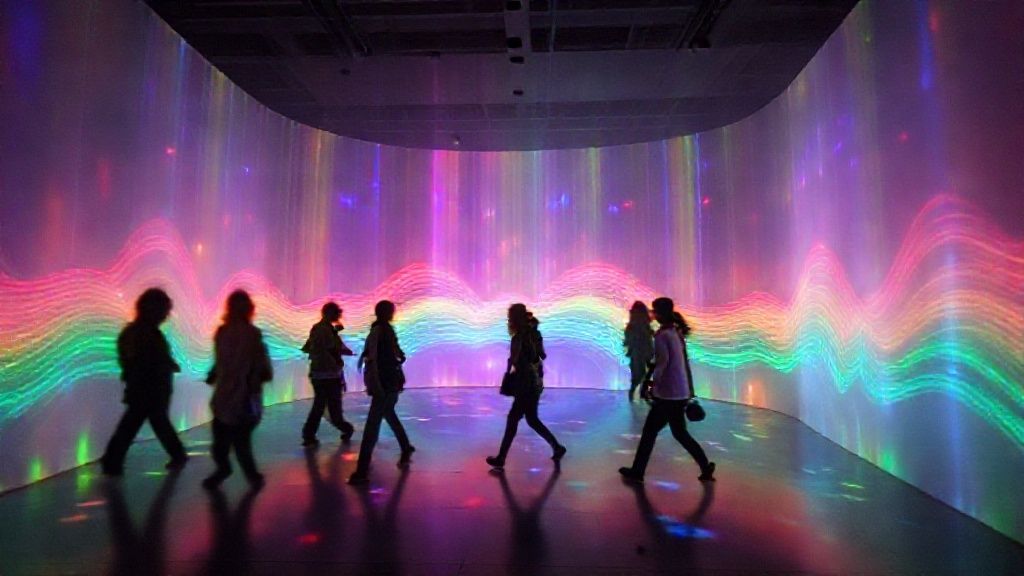
In this form, the audience isn’t passive. Every gesture, vibration, or breath becomes input — a trigger for sonic transformation. Technology dissolves the barrier between art and audience, creating a living feedback loop where sound listens to us as we listen to it.
1. The Birth of Interactive Sound Art
Interactivity in sound emerged from the experimental ferment of the 1960s. Artists like David Tudor, Gordon Mumma, and Max Neuhaus began wiring circuits that responded to performers or environments.
By the 1980s, interactive systems expanded beyond performance into installation art, using infrared, motion, or ultrasonic sensors to track presence. Today’s artists inherit this lineage — only now, the instruments think.
2. How It Works: The Sensor as Bridge
Sensors convert physical phenomena into digital data. A hand wave, heartbeat, or light fluctuation becomes an electrical signal that computers interpret as sound triggers.
Common Sensor Types:
-
Motion Sensors (IR / Ultrasonic): Detect movement and proximity.
-
Pressure & Touch Sensors: Transform physical contact into sound events.
-
Accelerometers & Gyroscopes: Track gesture, tilt, and orientation.
-
Biometric Sensors: Read heart rate, temperature, or brainwaves.
-
Environmental Sensors: Capture light, humidity, or wind variation.
The result is sound that feels alive, constantly shaped by presence.
3. The Technological Core: Software for Responsive Art
Interactive systems rely on flexible platforms capable of real-time mapping between sensor input and audio output.
Key Tools in 2025
-
Max/MSP & Pure Data: Visual programming for signal processing.
-
TouchDesigner: Integrates sound and motion for audiovisual installations.
-
Arduino & Raspberry Pi: Microcontrollers for physical sensor integration.
-
Ableton Live with Max for Live: Brings sensor data into music composition.
-
Unity & Unreal Engine: Link interactive audio to 3D or VR spaces.
This ecosystem lets sound artists choreograph responsive environments — spaces that behave like instruments.
4. Audience as Performer
Interactivity transforms the listener into a co-creator. Every gesture shapes the score, every movement alters the mix.
This reverses the centuries-old hierarchy of artist and audience. No two people experience the same piece; each encounter is a unique performance.
Artists like Rafael Lozano-Hemmer, Tobias Zielony, and Zimoun use motion tracking and custom sensors to create immersive environments where visitors compose sound by simply being there.
5. The Ethics and Emotion of Interaction
Interactive sound asks new questions about agency and control. If the audience creates the sound, who is the artist?
Many creators see it as shared authorship — an exploration of co-presence. The technology becomes a mediator of empathy, teaching listeners to hear themselves inside a larger system.
Artsonify’s philosophy aligns with this idea: sound is not owned but experienced, its visualization a record of our participation in it.
6. From Sensors to Synesthesia: Toward Multisensory Art
Interactive sound installations often expand into visual and tactile feedback — lights that pulse with bass frequencies or color patterns that mirror rhythm.
This multisensory dimension is where Artsonify operates naturally: translating sound frequencies into color and form. Imagine an installation where Artsonify’s visual frequencies react in real time to audience-generated sound — a living painting of collective energy.
7. Notable Interactive Sound Projects
-
Pulse Room by Rafael Lozano-Hemmer – Heartbeats converted into flashing light bulbs.
-
The Music Box Village (New Orleans) – Architecture as instrument.
-
Listening Post by Mark Hansen & Ben Rubin – Data voices as choral performance.
-
Resonance Field by Artsonify (concept proposal) – Interactive space where motion and sound visualize shared presence.
Conclusion: The Future Listens Back
Interactive sound is the end of spectatorship. It’s a mutual performance between technology and body, data and emotion.
When sound reacts to our presence, we don’t just hear art — we become it. And through Artsonify’s vision, that moment is not only audible but visible.
Frequently Asked Questions About Interactive Sound Art
1. What is interactive sound art?
An art form where sound responds to audience input through sensors or data systems.
2. How do sensors create sound interaction?
They translate physical actions like movement or touch into digital signals that generate or modify sound.
3. Do you need coding skills to make interactive sound art?
Basic knowledge helps, but tools like Max/MSP and TouchDesigner offer visual interfaces for non-coders.
4. How is interactive sound used in galleries and museums?
Installations use motion or environmental data to produce adaptive soundscapes that engage visitors directly.
5. How does Artsonify connect to interactive sound?
Artsonify’s approach to visual sound can extend into interactive spaces where sound and image respond to audience energy in real time.
Artsonify - "Music, Painted."